The rehabilitation journey can be long and demanding for people with SCI, requiring plenty of dedication and patience. Fortunately, necessity drives innovation, meaning that rehabilitation in the healthcare industry will continue to experience exciting new developments.
One such advancement is the growing use of virtual reality (VR) and augmented reality (AR), which are being used in many facets of spinal rehabilitation, including physical therapy, pain management and balance training.
In this article, we explore how AR and VR spinal rehabilitation are changing the landscape of spinal recovery, discuss what this means for people with SCI and its potential for the future.
At Aspire Law, our dedicated team of spinal cord injury lawyers are in your corner, no matter what. As the only law firm in the UK that deals exclusively with spinal cord injury claims, we bring to the table the expertise you need to receive the compensation you deserve.
Read on to learn more about how our experts can support your journey with SCI, including care, rehabilitation, transport, housing, and support services.
What Are VR and AR? And Why Do They Matter in Spinal Rehabilitation?
VR and AR aren’t just used in gaming anymore; they can provide real, practical tools to help people with spinal injuries regain movement, confidence and independence.
But what do VR and AR mean?
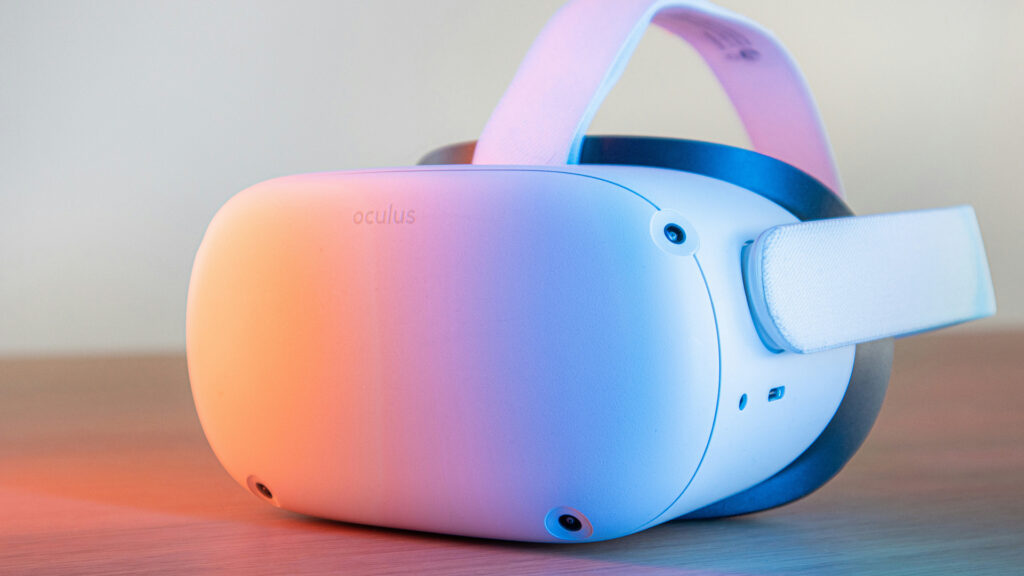
Virtual reality (VR) is a computer-generated simulation that places the user inside a fully digital environment, typically through a headset or other electronic devices. In this digital world, users can interact with visuals in a seemingly real way, in real time.
Conversely, augmented reality (AR) is more rooted in the real world, overlaying computer-generated images onto a real-life feed.
With applications across retail, education, fashion, gaming and, of course, healthcare, AR and VR are showing promising signs of revolutionising rehabilitation for spinal cord injuries.
They could help:
- Patients practice physical movements in safe, repeatable scenarios
- Medical professionals track progress with precise feedback and goal-setting
- Patients feel more motivated and involved through interactive, game-like activities
For individuals with SCI, the result can be a more empowering and enjoyable therapy experience.
How Immersive Tech Supports Recovery
Physical rehabilitation
The COVID-19 pandemic completely changed many aspects of modern healthcare. With patients needing an alternative to in–person physical therapy sessions, VR and AR technology stepped in to fulfil some of the demand for home-based ways to practice guided movement.
AR can be invaluable for people with spinal cord injuries struggling with physical rehabilitation exercises in their homes. It can be used to project points of focus, which helps individuals safely perform their routine activities at home, unassisted.
VR takes home therapy to the next level, offering immersive, game-like activities that motivate and empower patients to regain movement and ultimately their independence.
In short, physical therapy with AR and VR can feel more fun! The gamification of these movements has also had an impact on a patient’s ability to remember a range of specific movements, enhancing their motivation as well.
Pain management
It can also have transformative effects on a patient’s mental state.
A study on around 50 patients in March 2024 at St. George’s Hospital in Tooting, south London, showed promising results for patients using VR rehabilitation techniques.
From this trial, medical professionals say that VR can help patients push through mental pain barriers as it creates a fun and immersive distraction for their brains.
Balance training
Virtual reality can also be applied to balance training. Balance training refers to exercises that can help a patient adapt to the real world, supporting them in techniques for handling bumps in the pavement or obstacles in the home.
VR is revolutionising this practice by mimicking real-life situations, like avoiding obstacles and walking on uneven ground, helping patients learn in a safe and protected environment.
Data collection
VR and AR software also enables improved oversight for medical professionals and physiotherapists. This technology collects precise, objective data, allowing therapists to gain a more accurate picture of how patients are getting on with their prescribed movements.
Therapists can now gain a better understanding of the patient’s range of motion and how frequently they’re successfully completing their exercises, meaning they can manage the routines accordingly, making them easier or more challenging according to the results.
Looking Ahead: The Future of Immersive AR and VR Spinal Rehabilitation
Although this technology isn’t yet widely accessible due to challenges with integration, including costs and steep learning curves, the research and its application so far indicate a bright future for spinal rehabilitation and beyond.
Looking to the future, collaborations between surgeons, engineers, and game designers will improve both the development and integration of AR and VR technologies into the healthcare sector.
As this technology progresses, immersive rehabilitation will likely become even more personalised and powerful in helping people with a range of injuries with their recovery journey. With each advancement, we will move closer to a world where rehabilitation is more engaging, accessible and effective than ever before.
How Aspire Law Can Help
While these technological advances are exciting, accessing them isn’t always straightforward. That’s where the right legal and rehabilitation support becomes essential.
At Aspire Law, we understand that each and every recovery journey is deeply personal. Access to the right rehabilitation is crucial to help you regain your independence and quality of life. As the UK’s leading law firm for spinal cord injuries, we’re right there by your side every step of the way, supporting you with access to rehabilitation and other essential care services.
If you’d like to learn more about how to access the rehabilitation you deserve or fund your recovery journey, get in touch with a member of our expert team today.