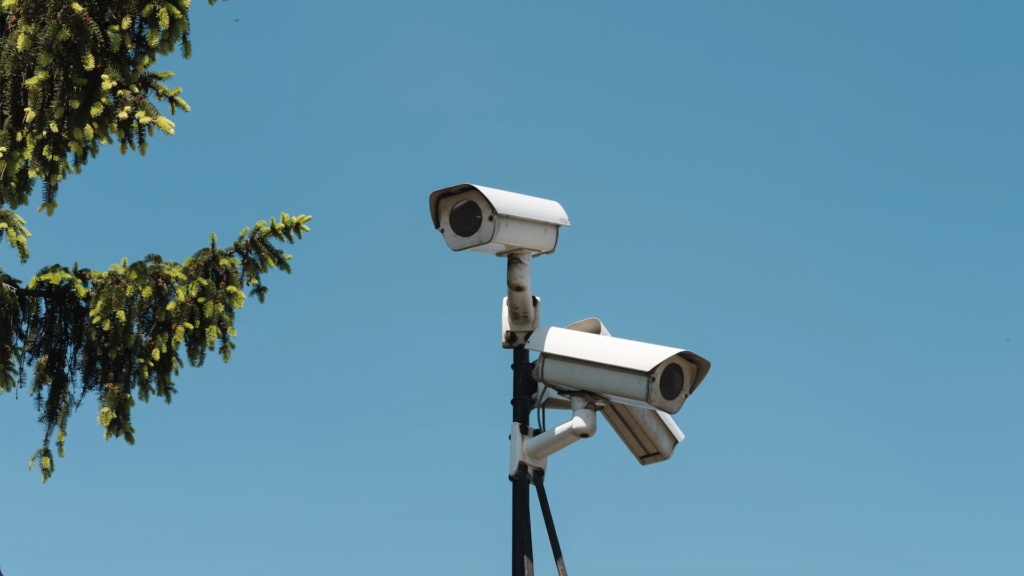
During that time, insurers and their legal teams are building their own picture of the case, and for high-value claims, that process sometimes includes instructing private investigators to gather footage of the claimant going about their daily life.
Finding out you have been filmed, or suspecting that you might be, can feel deeply unsettling.
Understanding what surveillance evidence actually is, how it is used, and why it so rarely tells the whole story is an important part of knowing where you stand.
What Surveillance Evidence Is and How It Is Gathered
Defendant insurers have the right to gather evidence that they believe is relevant to a claim.
In serious injury cases, that can include covert surveillance carried out by private investigators. This typically involves filming a claimant in public places, observing their movements and activities, and documenting anything that might appear to contradict the account of their injury or its impact on their daily life.
Insurers may also monitor publicly available social media profiles.
Photographs, check-ins, comments, or posts made during the life of a claim can be screenshotted and added to the evidence bundle. A photograph from a good day, or a post made in a moment of optimism, can be presented as evidence of capabilities the claimant has denied having.
Surveillance can begin at any point during a claim and may continue for extended periods. Claimants are often unaware that it is happening until the footage is disclosed by the other side.
Why Surveillance Footage Rarely Tells the Full Story
The problem of context
Spinal cord injuries, and many other serious injuries, do not produce uniform, predictable symptoms from one day to the next.
A person may manage a task on one occasion and be entirely unable to repeat it days later. They may push through significant pain to attend a family event or complete a short walk that leaves them bedbound the following day.
Variability is a clinical feature of serious injury, not evidence of exaggeration.
A short clip of someone loading bags into a car, walking across a car park, or attending a social occasion captures a moment. It does not capture what that person took to get through it, what it cost them physically, or what their condition looked like before and after.
That context is not something a private investigator can record, but it is precisely what medical evidence addresses.
The difference between capacity and consistency
Doing something once is not the same as being able to do it reliably, repeatedly, and without consequence.
This distinction sits at the heart of how serious injury claims are assessed. When expert medical witnesses give evidence about a claimant’s functional abilities, they are speaking to the full picture of what that person can do day to day, not to a single observed moment.
Surveillance footage collapses that distinction.
It presents a snapshot as though it were representative, and it takes the interpretation of physical capability away from clinicians and hands it to investigators. Specialist solicitors understand how to put that footage back in its proper place.
Social media and how it is used
Screenshots of social media activity are increasingly common in surveillance bundles.
Posts, photographs, and comments made throughout the life of a claim may be used to suggest that a claimant’s account of their limitations is inconsistent with how they present themselves publicly.
This is one practical reason why, as covered in more detail in the article on how to document your recovery journey, being thoughtful about what you share online during a claim is genuinely important.
It is not about concealing the truth; it is about ensuring that a carefully chosen photograph cannot be used to misrepresent it.
How Specialist Solicitors Challenge Surveillance Evidence
Placing footage in its medical context
The primary response to surveillance evidence is not denial. It is contextualisation.
When footage is disclosed, the legal team works with treating clinicians and independent medical experts to explain what the footage does and does not show in light of the claimant’s condition.
Medical reports can address the variability of symptoms, the concept of good days and bad days, the pain management strategies a person uses, and the physical cost of activities that might look straightforward on camera.
A solicitor with extensive experience in spinal cord injury claims, where symptom variability is well understood by the medical experts they instruct, is better placed to do this work than one who handles serious injury claims only occasionally.
The quality of the medical evidence gathered throughout a claim, including detailed records of rehabilitation, treatment, and day-to-day experience, is what allows surveillance footage to be put in its proper perspective.
Procedural obligations on the other side
Surveillance evidence gathered by the defendant’s insurers must be disclosed to the claimant’s legal team.
It cannot be withheld and produced as a surprise at trial.
Once disclosed, it becomes part of the evidence that both parties address, and the claimant’s solicitors have the opportunity to scrutinise it fully.
That scrutiny extends to how and when the footage was taken, how long surveillance was conducted, how much footage was gathered relative to what was disclosed, and whether the clips presented are genuinely representative of the full period of observation.
The selective nature of surveillance, recording only what appears useful, is itself a legitimate line of argument.
How this affects the timeline of a claim
Responding to surveillance evidence adds a procedural layer to a claim.
Expert reports may need to be updated or supplemented. The parties may need additional time to address the new material before the case can progress. This is one of several reasons why serious injury claims, and in particular spinal cord injury claims, take considerably longer to resolve than lower-value cases.
How long does a personal injury claim take to settle?
For straightforward cases where liability is admitted, the answer can sometimes be within twelve months.
A complex, high-value spinal injury claim involving disputed evidence, multiple expert witnesses, and a significant schedule of loss items, including care, housing, equipment, and loss of earnings, may take several years.
Surveillance evidence, where it arises, is one factor that can extend that timeline further. Understanding what the legal process involves from the outset helps manage expectations about what that journey looks like.
What Clients Should Know
Discovering that surveillance has been conducted can feel like an accusation.
It is worth being clear that it is a tactic routinely deployed in high-value claims; it is not a finding, and it is not a verdict on the strength of a case.
The evidence needed for a personal injury claim to succeed is medical, factual, and built over time. It includes clinical records, expert reports, witness statements, a detailed account of the impact of the injury on daily life, and, where relevant, evidence of financial losses.
Surveillance footage, even when it exists, sits within that larger body of evidence. It does not override it.
Being honest with your legal team
The most important thing a claimant can do, throughout the life of a claim, is be honest with their legal team. That includes being honest about good days. Attempting to minimise positive activity or avoid mentioning periods of relative improvement is counterproductive; it leaves a claimant poorly prepared if footage of those moments is later disclosed.
A legal team that knows the full picture can address anything the other side produces. One that does not cannot.
The articles on what evidence is needed for a spinal injury at work claim and how to document your recovery journey cover related ground in more detail and are worth reading alongside this one.
These articles are intended as general information only. Anyone with a serious injury claim who has concerns about surveillance evidence, or about any aspect of their case, should seek specialist legal advice.
Speak to a Specialist About Your Claim
Surveillance evidence is one of many complexities that can arise in serious injury claims.
Knowing what evidence is needed for a personal injury claim and having realistic expectations about timescales puts clients in a stronger position from the outset. Having a legal team that understands both the medical and procedural dimensions of a spinal cord injury case makes a material difference to how those challenges are handled.
If you would like to speak with a specialist solicitor, get in touch with the team at Aspire Law.