Someone else must have been at fault, and the compensation is calculated to meet the needs the injury has created.
The differences lie in how the claim is run and how your child is protected along the way. A parent or other trusted adult brings the claim as litigation friend, the court must approve any settlement before it becomes binding, and the usual time limit does not begin until your child turns 18.
These safeguards exist because a child cannot make legal decisions for themselves, and because the compensation may need to support them for the rest of their life.
How Claims Involving Children Differ From Adult Claims
At its core, a child’s claim needs the same proof as an adult’s: that someone else was responsible, and that their actions caused the injury.
What changes is who brings the claim, how long you have to start it and how the outcome is checked before it becomes final.
Who brings the claim on a child’s behalf?
Anyone under 18 is treated in law as unable to bring or defend a claim on their own, so an adult must act for them.
In most cases, this is a parent, although a grandparent, other relative, guardian or family friend can take on the role if they are suitable and have no interest in the claim that conflicts with the child’s.
Parents often ask whether they can make a personal spinal injury claim for a child in their care, and the answer is yes, provided someone else’s negligence caused or worsened the injury.
That might follow a road traffic accident, a fall on unsafe premises, a sporting incident or medical care that fell below an acceptable standard.
Time limits for children
Most adults have three years from the date of an injury to start a claim.
For children, that three-year period does not begin until their 18th birthday, which means a child personal spinal injury claim can usually be started at any point before they turn 21.
Where a young person lacks the mental capacity to manage a claim, the time limit does not run at all while that lack of capacity continues.
There are good reasons not to wait, though. Evidence is easier to gather while memories are fresh and records are complete, witnesses can still be traced, and an early claim opens the door to rehabilitation and interim payments that can help your family now rather than years later.
The Role Of A Litigation Friend
The litigation friend makes decisions about the claim on your child’s behalf and must always act in their best interests.
It may sound formal, but in practice it means working alongside your solicitor, giving instructions, sharing information about your child’s daily life and needs, and agreeing key steps such as whether to accept an offer.
What a litigation friend does
Most parents become a litigation friend by signing a short document called a certificate of suitability, which confirms that they can conduct the claim fairly and competently on the child’s behalf.
A court order is only needed if there is a dispute about who should act, or if no suitable adult is available. Your solicitor will prepare the paperwork and explain each decision as it arises, so you do not need any legal knowledge to take this on.
Costs and financial responsibility
When signing the certificate, the litigation friend agrees to pay any costs the court might order against the child, which understandably causes some parents concern.
In most serious injury cases, the claim is run on a no-win, no-fee basis, usually supported by insurance that covers the risk of having to pay the other side’s legal costs if the claim does not succeed.
Your solicitor should explain exactly how this works for your child’s claim before you sign anything, and you are entitled to ask as many questions as you need to feel confident.
When the role continues past 18
The litigation friend’s role normally ends when the child turns 18, at which point they can take over the claim themselves.
If a spinal cord injury has been accompanied by a brain injury, or the young person otherwise lacks capacity to make decisions about the claim, the litigation friend continues to act for them into adulthood.
Why The Court Must Approve A Child’s Settlement
No settlement in a child’s claim is valid until a judge has approved it, and the same rule applies to interim payments made before the claim concludes. This protects children from accepting less than their claim is worth, and it means an independent person checks that the figure agreed will genuinely meet your child’s needs.
What happens at an approval hearing
Before the hearing, which is sometimes called an infant approval hearing, your solicitor will usually obtain written advice from a barrister on whether the proposed settlement is fair.
The judge reads this alongside the medical and expert evidence, considers how the figure has been reached, and can ask questions of the legal team or the litigation friend.
Hearings are generally short, and children rarely need to attend. If the judge is not satisfied, they can refuse to approve the settlement and negotiations continue.
Where the compensation is held
Once a settlement is approved, the court decides how the money will be managed. In many cases, it is invested by the Court Funds Office and paid to the young person, with interest, when they turn 18.
For more serious spinal cord injuries, particularly where a child is unlikely to manage large sums of money as an adult, the Court of Protection may appoint a deputy to look after the funds. This is often a professional deputy, and the cost of the deputyship can be included in the claim.
Parents sometimes worry that the money will be locked away when their child needs it most, but funds can be released before 18 for expenses that benefit the child, such as equipment or therapy, with the agreement of the court or deputy.
How Future Needs Are Assessed As A Child Grows
A child’s claim has to account for a much longer lifetime than most adult claims, and for needs that will change as they grow, learn and move towards independence.
This is one reason compensation for children can be higher than for adults with a similar injury.
Each stage of life is considered, with expert evidence used to estimate what support will be needed and what it will cost, which is why planning for the long term is central to getting the figure right.
Care and support at each stage of childhood
Care needs for a baby or young child look very different to those of a teenager or young adult. Experts consider who will provide care at each stage, how many hours are needed and what training carers will require.
Parents often provide a great deal of care themselves, and that care can be claimed as part of the child’s compensation, even though it is given out of love rather than for payment. A case manager can help coordinate carers, therapists and equipment so that support keeps pace with your child’s development.
Care expert evidence is a key component of any child personal injury claim. It will account for the child’s growth into adulthood and for the rest of his or her life and into old age. The care evidence often accounts for significant damages, regularly achieving sums of many millions of pounds.
Equipment that needs resizing and replacing
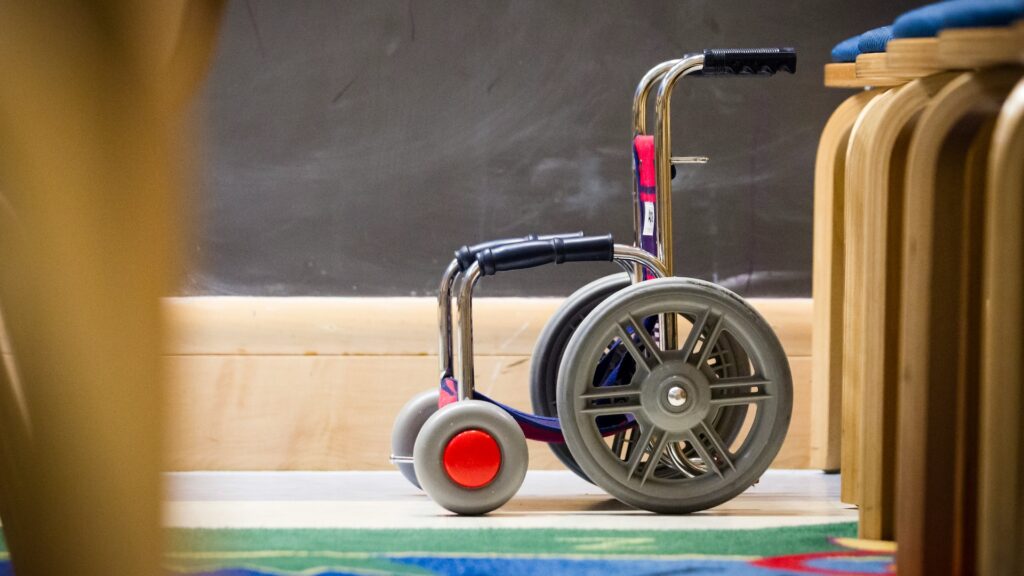
Wheelchairs, standing frames, seating systems and other equipment have to be replaced as a child grows, sometimes every year or two in early childhood. A claim includes the cost of each replacement over a lifetime, along with maintenance, repairs and allowance for newer technology that may become available.
Housing that adapts over time
A home that works for a toddler may not suit a teenager who wants more privacy and independence, or a young adult who needs space for live-in carers. A claim can include the cost of adapting your home or moving to a more suitable property, with plans that allow for your child’s needs at different ages.
Health changes linked to growth
Spinal cord injury in childhood brings particular medical considerations.
Children who use a wheelchair are very likely to develop scoliosis, a curvature of the spine that may be managed with bracing and sometimes surgery during the teenage years.
Puberty can bring changes to bladder and bowel management, skin health and weight.
People injured in childhood can also experience long-term complications such as fatigue, shoulder wear and pressure sores earlier in life, often 20 to 25 years after injury.
Specialist medical experts look ahead to these changes so that the cost of future treatment is reflected in the claim.
Education and school support
Many children with spinal cord injury return to nursery, school or college once the right adjustments are in place.
These might include accessible toilets and changing space, a quiet room, adjusted timetables for long morning routines, adaptive IT and a written plan for medical issues such as autonomic dysreflexia.
Most will need an Education, Health and Care Plan (EHCP) setting out the support their school must provide. The local authority should fund what is in the plan, while compensation can cover extra tuition, specialist equipment, transport or other help that falls outside it. Back Up’s children and young people’s service also has Education Advocates, who have spinal cord injuries themselves and can support families at school reviews.
Future earnings and independence
Children have no work history, which makes calculating lost future earnings more complex than for an adult.
Experts look at how your child was doing at school before the injury, their family background and the careers they might reasonably have pursued, then consider how the injury is likely to affect their working life.
This element can make up a good proportion of a child personal spinal injury claim. The claim will also look at the support needed for milestones such as learning to drive, going to university or living independently.
Aspire charity’s independent living advisors can offer practical guidance on these topics.
How Long A Child’s Spinal Injury Claim Can Take
There is no fixed timescale for a child’s claim, and its length depends largely on how quickly a clear picture of your child’s future needs emerges.
Parents are often reassured to learn that a longer claim usually means a more accurate settlement, and that support can be put in place well before it concludes.
Why settlement often waits for a clearer prognosis
Claims involving children often take longer than adult claims, sometimes several years.
The court will only approve a settlement once it is confident about your child’s long-term prognosis and future needs, and with a young child those needs can be hard to predict.
In some cases, it makes sense to wait until the child is older, or even an adult, before agreeing on a final figure. Settling too early risks a sum that later proves inadequate, and once a settlement is approved, it usually cannot be reopened.
Getting support before the claim settles
A long claim does not mean a long wait for help.
Once the other side accepts responsibility, early payments can fund therapy, equipment, care and access to rehabilitation while the claim continues. The legal process is designed so that your child’s needs are met during the claim as well as at the end of it.
Supporting Your Family Through The Process
A claim runs alongside everything else your family is coping with after an injury. Knowing what support exists, and what will be asked of your child, can make the months ahead feel more manageable.
The emotional impact on parents and siblings
A spinal cord injury affects the whole family.
Parents commonly describe shock, anxiety about the future and the strain of absorbing medical information while trying to keep family life going. Brothers and sisters can feel worried, left out or unsure how to help.
There is no right or wrong way to feel, and support is available. Back Up offers family mentoring for parents and siblings, and spinal units often provide psychology or counselling services. The cost of psychological support for your child can form part of the claim.
Your child’s involvement in the claim
How involved your child is depends on their age and understanding.
Younger children may have little direct involvement beyond attending medical appointments, while teenagers often want to understand what is happening and have a say.
Your child will usually need to meet medical experts who assess their injury and needs, and a good legal team will arrange these appointments around school, therapy and treatment wherever possible.
Talk To Us About Your Child’s Claim
Bringing a claim on behalf of your child is a real responsibility, but you will not be doing it alone. At Aspire Law, our specialist spinal cord injury solicitors work exclusively with spinal cord injury claims, including claims for children and young people.
Some of our team have personal experience of spinal cord injury, and as a social enterprise linked to the charity Aspire, our support covers far more than the legal process itself, with the aim of helping your child live the fullest life possible. You can find out more about who we help and how we help.
Every family’s situation is different. If you would like to talk through a personal spinal injury claim for your child, get in touch with our team or schedule a consultation.