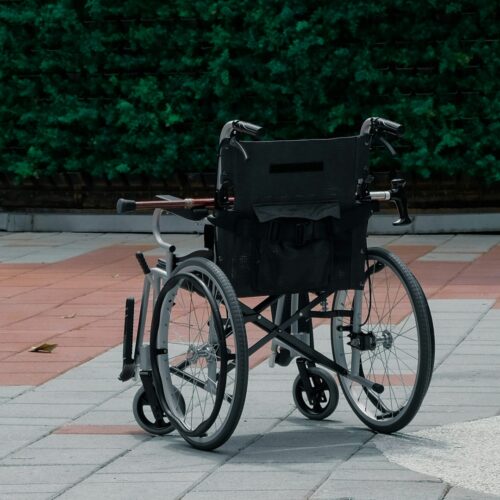
Following a spinal cord injury (SCI), that mission often shifts toward a new objective: rehabilitation and regaining independence.
Transitioning to civilian life as an SCI veteran presents a unique set of challenges, from navigating complex military compensation schemes to accessing specialist medical care. However, the veteran community is supported by a robust network of charities, bespoke financial benefits, and legal protections designed to recognise your service and sacrifice.
At Aspire Law, we are proud of who we help, providing dedicated support to former service members as they navigate this new chapter.
Specialist Rehabilitation and Medical Care
The medical pathway for an SCI veteran often differs from that of a civilian. The military’s focus on “recovery to function” means there are world-class facilities available specifically for those injured during or after their service.
The role of DMRC Stanford Hall
The Defence Medical Rehabilitation Centre (DMRC) at Stanford Hall is a cornerstone of military recovery. For those currently serving or recently discharged, this facility provides intensive, multidisciplinary spinal cord injury rehabilitation that focuses not just on physical healing, but on vocational goals and psychological resilience.
Transitioning to the NHS Spinal Cord Injury Centres
While Stanford Hall provides acute and intensive rehab, long-term care is often managed through the UK’s network of NHS Spinal Cord Injury Centres (SCICs). It is vital that a SCI veteran is flagged within the NHS system to ensure they receive priority care for service-related conditions, a key tenet of the Armed Forces Covenant.
Understanding Your Financial Support Options
Financial security is a primary concern following a life-changing injury. SCI veterans have access to specific schemes that sit alongside or in place of standard civilian benefits.
The Armed Forces Compensation Scheme (AFCS)
If your injury was caused by service on or after 6th April 2005, you may be eligible for the AFCS. This scheme provides a tax-free lump sum for the injury itself, as well as a Guaranteed Income Payment (GIP) — a monthly, tax-free payment for life — if the injury affects your long-term earning capacity.
Armed Forces Independence Payment (AFIP) vs. PIP
The AFIP is a specialist benefit designed to provide financial support to service personnel and veterans with a high level of injury. If you receive a GIP of 50% or higher, you may be eligible for AFIP. Unlike Personal Independence Payment (PIP), AFIP is paid at a fixed rate and typically does not require the same regular reassessments, providing greater peace of mind for the SCI veteran.
Legal Considerations for Service-Related Injuries
Securing your future often requires looking beyond state benefits. If your injury was the result of negligence — such as faulty equipment, training failures, or medical mismanagement by the Ministry of Defence (MoD) — you may have grounds for a civil claim.
Why specialist legal advice is crucial
Military law and SCI litigation are highly technical fields. A specialist solicitor understands how a civil settlement interacts with your military pension and AFCS payments. There are many ways our team can help, including securing interim payments that can fund private rehabilitation, home adaptations, and specialist equipment long before a case reaches its final conclusion.
The importance of the limitation period
It is important to note that while the AFCS has a seven-year window for claims, civil negligence claims usually have a three-year limitation period. Seeking advice early ensures you do not lose your right to the compensation necessary to sustain your long-term quality of life.
Finding Support Through Military Charities
No veteran should have to navigate an SCI alone. The UK has a dedicated network of organisations that understand the military mindset and the specific needs of the SCI community.
- The Spinal Injuries Association (SIA): Their “SIA Case Management” and veteran-specific peer support groups offer invaluable lived-experience advice.
- The Army Benevolent Fund (ABF) & SSAFA: These organisations can provide practical grants for home modifications or mobility equipment that might not be fully covered by statutory funding.
- Blesma: Specifically for those who have experienced limb loss or loss of use of limbs, providing lifelong support.
Many veterans also find renewed purpose through adaptive sports. From local clubs to the international stage of the Invictus Games or the Paralympics, sport remains a powerful tool for rehabilitation and community.
Securing Your Future with Aspire Law
Navigating the first few months and years after a spinal cord injury is a complex mission. At Aspire Law, we combine legal expertise with a deep commitment to the SCI community, sharing 50% of our profits back into the charity Aspire to support housing and independent living.
If you are an SCI veteran and want to explore your legal options or need guidance on the benefits available to you, we are here to help. Stay updated with the latest developments in spinal cord injury care and veteran support by visiting our news page.
Contact our specialist team today for a free, confidential consultation to discuss your path forward.